Web Commerce and the Power of a Professional Online Store
Web commerce, often referred to as e-commerce, is the buying and selling of goods and services over the internet. It has revolutionized how businesses operate and how consumers shop. Unlike traditional retail, web commerce allows for 24/7 accessibility, global reach, and streamlined operations. For businesses looking to establish or enhance their online presence, leveraging a well-designed web commerce template can make a significant difference.
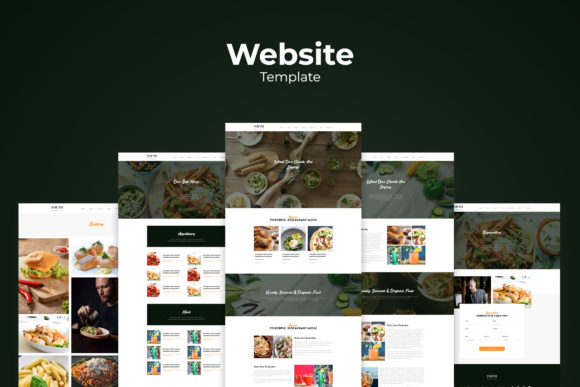
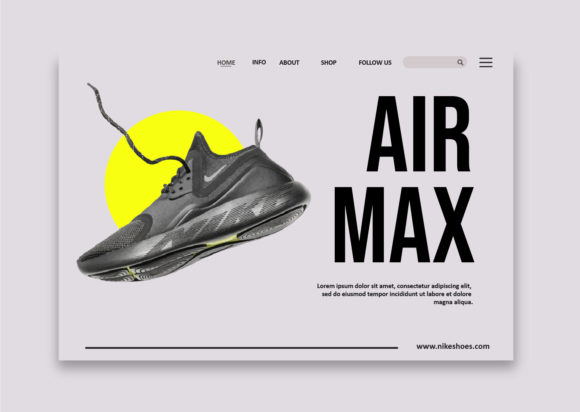
A fashion trend template for web commerce offers a structured framework that simplifies the process of building an online store. These templates are designed with the needs of modern e-commerce in mind, providing a foundation that can be customized to fit specific brand identities and product offerings.
What Makes Web Commerce Distinct?
Web commerce stands out from other forms of digital marketing and sales due to its focus on transactional capabilities. While content marketing and social media engagement can drive traffic and build brand awareness, web commerce directly facilitates purchases. This distinction makes it essential for businesses that aim to generate revenue through online sales.
Unlike static websites or blog platforms, web commerce solutions are built with functionality that supports inventory management, secure payment processing, and customer data tracking. These features ensure a seamless shopping experience for users while providing businesses with valuable insights into consumer behavior.
Comparing Web Commerce with Other Options
When evaluating options for online business, it's important to consider how web commerce compares with other approaches. Traditional e-commerce platforms like Shopify or WooCommerce offer robust tools for setting up online stores, but they may require technical expertise or ongoing maintenance. In contrast, a pre-designed web commerce template can provide a more accessible solution for those without extensive development skills.
Other alternatives, such as using website builders like Wix or Squarespace, may offer ease of use but often lack the customization and scalability needed for growing businesses. A web commerce template, particularly one focused on fashion trends, provides a balance between flexibility and functionality, allowing for both aesthetic appeal and operational efficiency.
Strengths of a Web Commerce Template
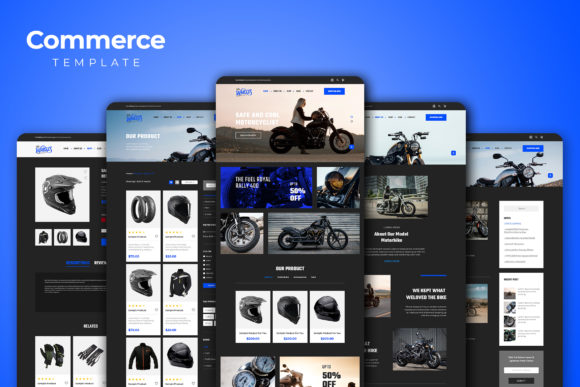
One of the primary strengths of a web commerce template is its adaptability. These templates come with a variety of components that can be modified to suit different industries and styles. For example, a fashion-focused template might include sections for product listings, shopping carts, and checkout processes, all optimized for visual appeal and user navigation.
Additionally, many web commerce templates are designed with high-resolution graphics and responsive layouts, ensuring that the site looks great on all devices. This is crucial in today’s mobile-first digital landscape, where a significant portion of online traffic comes from smartphones and tablets.
Tradeoffs and Limitations
While web commerce templates offer numerous benefits, they also come with tradeoffs. Customization can sometimes be limited by the structure of the template itself. Businesses that require highly specialized features or unique design elements may find that a template-based approach does not fully meet their needs.
Another consideration is the reliance on third-party tools and services. Many templates integrate with external platforms for payment processing, shipping, or analytics. This can introduce dependencies that may affect performance or security if not managed properly.
When Web Commerce is the Right Choice
Web commerce is ideal for businesses that want to sell products online without the complexity of building a site from scratch. It is particularly beneficial for small to medium-sized enterprises looking to establish an online presence quickly and efficiently. The fashion industry, for instance, can greatly benefit from a web commerce template tailored to showcase products in an engaging and visually appealing way.
For example, a boutique clothing retailer might use a web commerce template to create an online store that highlights seasonal collections, provides detailed product descriptions, and offers a smooth checkout process. This approach can help attract customers and increase conversion rates without requiring extensive coding or design knowledge.
Alternatives to Web Commerce
In some cases, alternative approaches may be more suitable. For instance, businesses that primarily sell digital products or services might find that a content-driven website or a membership platform better suits their needs. Similarly, companies that rely heavily on direct customer interaction, such as custom-made items or consulting services, may prefer a more personalized approach rather than a templated solution.
Another alternative is using a headless commerce setup, which separates the front-end design from the back-end functionality. This allows for greater flexibility in design and user experience but requires more technical resources to implement and maintain.
Decision Factors for Choosing Web Commerce
When deciding whether to use a web commerce template, several factors should be considered. First, assess the specific needs of the business. Does the company sell physical products that require inventory management and shipping? If so, a web commerce template may be the best fit. For businesses that focus on digital downloads, subscriptions, or services, other solutions might be more appropriate.
Second, evaluate the level of customization required. If the business has a strong brand identity and needs a highly unique design, a custom-built solution may be necessary. However, for most businesses, a well-designed template can provide a professional look without the need for extensive development work.
Practical Examples and Use Cases
Consider a scenario where a small fashion brand wants to launch an online store. Using a web commerce template, the brand can quickly set up a site that includes product pages, a shopping cart, and a checkout system. The template’s pre-designed components allow for easy customization, enabling the brand to add high-quality images, select fonts, and adjust color schemes to match their branding.
Another example is a multi-product e-commerce site that needs to manage a large inventory. A web commerce template with a scalable layout and efficient product listing features can help organize and display products effectively, improving the overall user experience and driving sales.
Conclusion
Web commerce offers a powerful and flexible solution for businesses looking to sell products online. Whether through a pre-designed template or a custom-built platform, the key is to choose a solution that aligns with the specific needs and goals of the business. By understanding the strengths, limitations, and alternatives of web commerce, businesses can make informed decisions that support long-term growth and success.