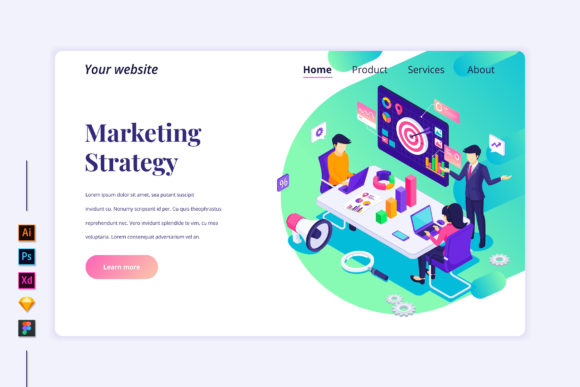
Isometric Marketing Strategy Design: A Visual Approach to Strategic Clarity
In the world of marketing, clarity and precision are essential for success. One powerful tool that can help achieve this is the Isometric Marketing Strategy Design. This design concept uses isometric illustrations to visually represent complex marketing strategies in a clear, engaging, and professional manner. Whether you're planning a new campaign, presenting to stakeholders, or communicating with your team, an isometric approach can make a significant difference in how your strategy is perceived and executed.
What Is Isometric Marketing Strategy Design?
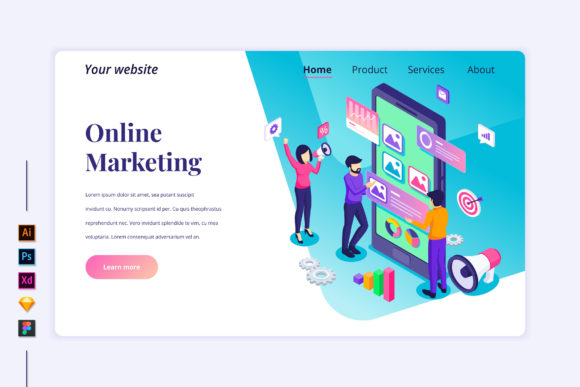
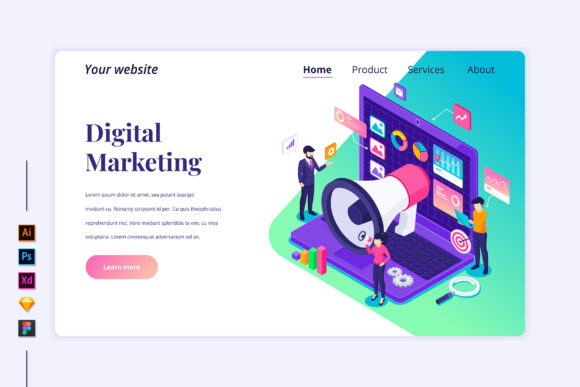
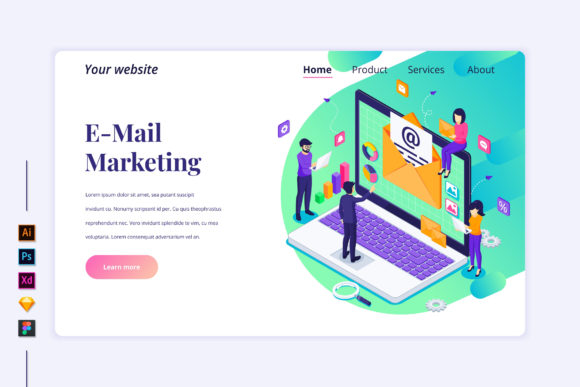
The Isometric Marketing Strategy Design is a visual representation of marketing concepts using isometric projection. This technique creates a 3D-like effect on a 2D plane, allowing for the depiction of multiple elements in a single, cohesive image. In the context of marketing, it can be used to illustrate various aspects of a strategy, such as target audience, channels, goals, and outcomes.
Unlike traditional diagrams or flowcharts, isometric designs offer a more dynamic and visually appealing way to present information. They can help simplify complex ideas, making them easier to understand and remember. This makes them particularly useful for presentations, reports, and educational materials.
Why Isometric Marketing Strategy Design Matters
Strategic thinking is at the heart of effective marketing. However, even the best strategies can fail if they are not communicated clearly. The Isometric Marketing Strategy Design addresses this by providing a visual framework that supports strategic decision-making.
One of the key advantages of this approach is its ability to organize information in a structured yet creative way. By breaking down a strategy into visual components, it becomes easier to identify gaps, overlaps, and opportunities. This can lead to better planning, more informed decisions, and ultimately, improved results.
Moreover, isometric designs are highly adaptable. They can be used across various platforms, including web graphics, mobile interfaces, landing pages, banners, and infographics. This versatility makes them an excellent choice for businesses looking to maintain a consistent brand identity while delivering engaging content.
When to Use Isometric Marketing Strategy Design
The Isometric Marketing Strategy Design is most effective when used to communicate complex ideas in a simple and visually appealing way. It is particularly useful in the following scenarios:
- Presenting to stakeholders: Isometric visuals can help convey the value of a strategy to executives, investors, or clients who may not have a deep understanding of marketing concepts.
- Team collaboration: When working with cross-functional teams, an isometric design can serve as a shared reference point, ensuring everyone is aligned on the strategy's goals and components.
- Educational materials: For training sessions or internal workshops, isometric designs can make learning more engaging and interactive.
- Marketing campaigns: Whether it's a product launch, brand awareness initiative, or customer acquisition effort, an isometric approach can enhance the visual storytelling of the campaign.
How to Approach Isometric Marketing Strategy Design
Implementing the Isometric Marketing Strategy Design requires careful planning and execution. Here are some steps to consider:
- Define your objectives: Start by identifying what you want to achieve with your isometric design. Are you trying to explain a strategy, visualize a process, or showcase a product? Clarifying your goals will guide the design process.
- Identify key elements: Determine which aspects of your strategy need to be represented. This could include target audiences, marketing channels, content types, and performance metrics.
- Choose a visual style: Select an isometric style that aligns with your brand’s aesthetic. Consider factors like color schemes, typography, and overall tone.
- Organize information: Structure your design in a way that flows logically. Group related elements together and use visual cues to indicate relationships between different parts of the strategy.
- Review and refine: Once the initial design is complete, review it for clarity and consistency. Make adjustments as needed to ensure the message is effectively communicated.
Considerations Before Relying on Isometric Marketing Strategy Design
While the Isometric Marketing Strategy Design offers many benefits, it is important to use it thoughtfully. Here are some considerations to keep in mind:
- Context matters: An isometric design should be used in the right context. It works best when paired with supporting text or explanations, as it may not always convey all necessary details on its own.
- Balance simplicity and detail: Striking the right balance between simplicity and detail is crucial. Overloading the design with too much information can make it confusing, while oversimplifying it may lead to a lack of depth.
- Ensure accessibility: Make sure your design is accessible to all users, including those with visual impairments. Use appropriate contrast, alt text, and other accessibility features where applicable.
- Align with brand guidelines: The design should reflect your brand’s identity and values. This includes using consistent colors, fonts, and imagery that resonate with your target audience.
Practical Examples of Isometric Marketing Strategy Design
Here are a few practical examples of how the Isometric Marketing Strategy Design can be applied in real-world scenarios:
- Customer journey mapping: An isometric design can visually represent the stages of a customer’s journey, from awareness to conversion. This helps teams understand touchpoints and optimize the customer experience.
- Content strategy visualization: When planning content for different channels, an isometric design can show how various types of content (blogs, videos, social media posts) fit together to support broader marketing goals.
- Product launch planning: An isometric layout can illustrate the timeline, key milestones, and resources required for a product launch, helping teams stay organized and focused.
- Brand positioning analysis: By visualizing different aspects of brand positioning—such as unique selling points, target audience, and competitive landscape—an isometric design can provide a clear overview of the brand’s place in the market.
Strategic Observations and Decision-Making Guidance
Using the Isometric Marketing Strategy Design can lead to better decision-making by providing a clear visual representation of complex ideas. Here are some strategic observations to keep in mind:
- Visual clarity leads to better understanding: When information is presented visually, it is often easier to grasp and retain. This can lead to more informed decisions and a stronger alignment across teams.
- Encourages creativity: The isometric format allows for creative expression while maintaining structure. This can inspire new ideas and approaches to problem-solving.
- Supports long-term planning: By visualizing the entire strategy, it becomes easier to identify long-term goals and the steps needed to achieve them. This can help prevent short-sighted decisions that may hinder future growth.
- Enhances communication: Isometric designs can bridge the gap between technical and non-technical audiences, making it easier to communicate complex ideas to a wider range of stakeholders.
Possible Risks of Using Isometric Marketing Strategy Design Without Clear Goals
While the Isometric Marketing Strategy Design is a powerful tool, it can also be misused if not approached with care. Some potential risks include:
- Overcomplication: If not designed with clarity in mind, an isometric layout can become cluttered and difficult to interpret. This can lead to confusion rather than clarity.
- Lack of focus: Without a clear goal, the design may end up being generic or irrelevant to the intended audience. This can reduce its effectiveness and impact.
- Missed opportunities: An isometric design that lacks depth or fails to highlight key elements may miss the chance to engage or inform the audience effectively.
- Resource misallocation: Investing time and resources into a design without a clear purpose can result in wasted effort and missed opportunities for meaningful outcomes.
Conclusion: Intentional Use of Isometric Marketing Strategy Design
The Isometric Marketing Strategy Design is more than just a visual trend—it’s a strategic tool that can enhance clarity, communication, and decision-making. By using it intentionally and thoughtfully, businesses can create more engaging and effective marketing materials that resonate with their audience.
Whether you're planning a new campaign, refining your strategy, or looking for ways to improve internal communication, the isometric approach offers a fresh and innovative way to think about marketing. With the right planning and execution, it can become a valuable asset in your marketing toolkit.