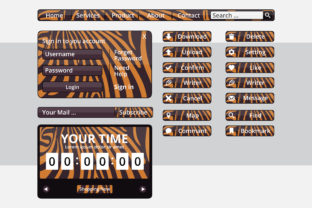
Button Web Page Zebra Pattern: A Modern Approach to UI Design
In the ever-evolving world of digital design, the right visual elements can make a significant difference in user experience and brand perception. One such element that has gained attention is the Button Web Page Zebra Pattern. This unique design concept combines aesthetic appeal with functionality, offering a fresh approach to interface development for websites and mobile applications.
The zebra pattern, known for its alternating dark and light stripes, brings a dynamic visual rhythm to web and app interfaces. When applied to buttons, it creates a sense of depth and interactivity that can enhance user engagement. This pattern is particularly effective when paired with other design elements like curves, ellipses, and rectangles, making it a versatile choice for modern UI design.
Why the Zebra Pattern Matters in UI Design
The Button Web Page Zebra Pattern is more than just a visual trend; it reflects a broader shift in how designers approach user interfaces. As users become more accustomed to sleek, minimalist designs, the need for subtle yet impactful visual cues becomes increasingly important. The zebra pattern provides this by adding a layer of sophistication without overwhelming the user.
This design style aligns well with current trends in web and app development, where simplicity and clarity are prioritized. By using the zebra pattern, designers can create buttons that stand out while maintaining a cohesive look across the entire interface. It also helps in guiding user interactions, making it easier for users to navigate through different sections of a website or application.
Trends and Changing User Expectations
As technology continues to advance, user expectations have evolved significantly. Today's users seek intuitive, visually appealing interfaces that are both functional and aesthetically pleasing. The Button Web Page Zebra Pattern meets these expectations by offering a design that is not only attractive but also easy to use.
With the rise of e-commerce and digital services, businesses are constantly looking for ways to differentiate themselves. The zebra pattern allows for a customized look that can reflect a brand's identity while still adhering to modern design standards. This makes it an ideal choice for companies aiming to create a strong online presence.
Practical Implications for Designers and Developers
For designers and developers, the Button Web Page Zebra Pattern offers several practical benefits. It can be used to create a consistent visual language across different platforms, ensuring that users have a seamless experience whether they're on a desktop or mobile device. This consistency is crucial for building trust and improving user satisfaction.
Moreover, the zebra pattern can be easily adapted to various color schemes, making it a flexible option for different industries and brands. Whether you're designing a business website, an e-commerce platform, or a mobile application, the zebra pattern can be tailored to fit your specific needs. This adaptability makes it a valuable tool in the designer's toolkit.
Integrating the Zebra Pattern into Your Workflow
When integrating the Button Web Page Zebra Pattern into your design workflow, it's essential to consider the overall layout and user flow. Start by identifying the key elements that require visual emphasis, such as call-to-action buttons or navigation links. These are the areas where the zebra pattern can have the most impact.
Additionally, pay attention to the contrast between the zebra pattern and other design elements. Ensuring that there is enough visual separation will help prevent clutter and maintain a clean, professional look. This is especially important when working with complex interfaces that include multiple components like forms, diagrams, and flowcharts.
Exploring the Media Type Vectors Title Pattern
The Media Type Vectors Title Pattern complements the Button Web Page Zebra Pattern by providing a range of vector graphics that can be used to enhance the overall design. These vectors include icons, symbols, and illustrations that can be customized to fit different themes and styles. They offer a high degree of flexibility, allowing designers to create unique and engaging interfaces without starting from scratch.
By combining the zebra pattern with these vectors, designers can create a cohesive and visually striking interface that resonates with users. The vectors can be used to add additional layers of meaning and context, making the design more informative and interactive. This synergy between the zebra pattern and vector graphics can elevate the user experience and set your project apart from the competition.
Realistic Examples and Recommendations
Consider a scenario where a business is launching a new e-commerce platform. By incorporating the Button Web Page Zebra Pattern into the checkout process, the company can create a more engaging and intuitive experience for customers. The pattern can be used to highlight key actions like "Proceed to Checkout" or "Apply Discount," making it easier for users to complete their purchases.
Another example could be a mobile application designed for remote work. Using the zebra pattern on buttons related to file sharing, communication, and task management can improve usability and reduce cognitive load. Pairing this with media type vectors that represent different functions can further enhance the user experience, making the app more efficient and enjoyable to use.
Conclusion: Embracing the Future of UI Design
The Button Web Page Zebra Pattern represents a forward-thinking approach to UI design that aligns with current trends and user expectations. Its ability to combine aesthetics with functionality makes it a valuable asset for designers and developers looking to create compelling digital experiences.
By integrating this pattern with other design elements like vectors, curves, and diagrams, professionals can craft interfaces that are not only visually appealing but also highly effective. As the digital landscape continues to evolve, embracing innovative design solutions like the zebra pattern will be essential for staying competitive and meeting the needs of modern users.